

Your fall photography calendar is full. Family sessions most evenings, mini sessions on weekends, galleries waiting to be edited, and client emails arriving faster than you can answer them.
From the outside, business looks great. But when you check your bank account, the balance may not feel nearly as impressive as your calendar suggests.
If your business is busy but cash still feels tight, that doesn't mean you're doing something wrong. It usually means your bookings, income, expenses, and payment timing are telling different stories. Understanding that difference can help you make better decisions before busy season turns into a stressful winter.
A Full Calendar Is Not the Same as Healthy Cash Flow
Revenue is the total amount your business earns. Profit is what remains after expenses. Cash flow tracks when money actually moves in and out of your bank account.
A business can be profitable on paper while still feeling short on cash — usually because client payments and expenses land at different times. Your calendar shows how much work you booked. It doesn't show how much has been collected, what clients still owe, what's already been spent, or what needs to be reserved for taxes.
1. Bookings Are Not the Same as Collected Income
A booked session represents future work, not necessarily money in your account right now.
EXAMPLE — 10 sessions at $500, each paid a $150 retainer
10 × $150 = $1,500 collected
$5,000 booked − $1,500 collected = $3,500 still outstanding
Your calendar may say $5,000. Your bank account may only reflect $1,500. To get a real picture, review what's actually been collected versus what's still owed, overdue, or sitting in unsent invoices.
For a broader system to keep payments, deposits, receipts, mileage, and unpaid invoices organized during your busiest months, use our Fall Busy Season Bookkeeping Checklist for Photographers.
2. Retainers May Already Be Spent
Fall retainers are often collected weeks or months before the session itself — and by the time you shoot it, that money may already have gone toward summer expenses, equipment, software, or owner pay.
The session is still on your calendar, but the cash is gone. You still owe the client the work; only their remaining balance creates new cash flow at that point. The key is knowing how much of your current cash is tied to completed work versus future obligations.

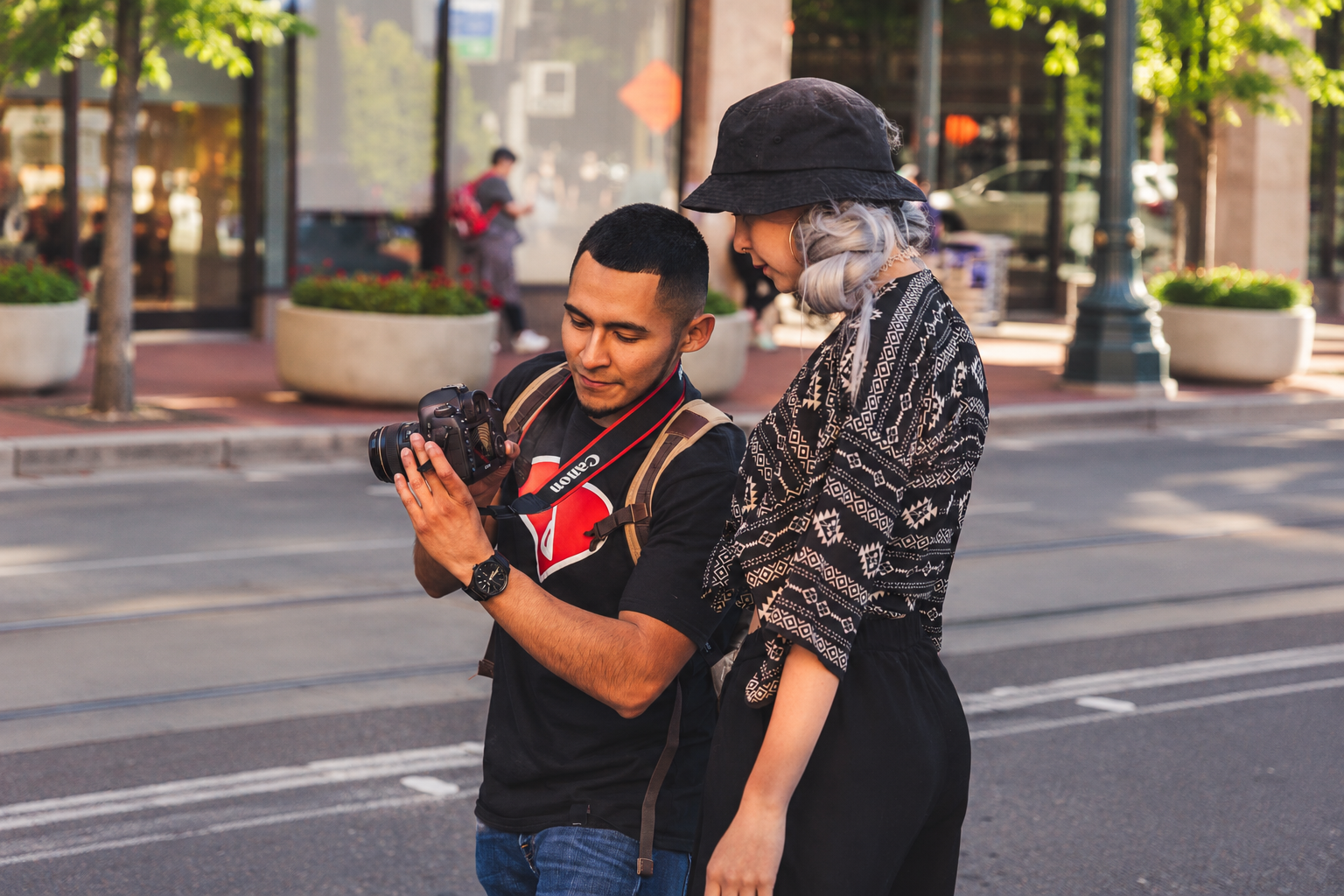
A photographer captures a client portrait during an on-location city session.
3. Fall Revenue May Need to Cover a Slower Winter
Fall is often a strong season for portrait photographers — but January and February can look very different, and your expenses (hosting, software, rent, insurance, owner pay) don't stop when bookings slow down.
EXAMPLE — reserving for a slow season
$4,000/mo needed − $2,500/mo expected winter revenue = $1,500 monthly shortfall
$1,500 × 3 slower months = $4,500 needed in reserve
A strong fall can build that reserve — but only if it isn't spent before winter arrives.
4. Credit Cards Can Hide Overspending
A healthy-looking bank balance can mask expenses piling up on a credit card.
EXAMPLE
$12,000 in checking
− $4,500 credit card balance
− $2,000 reserved for taxes
− $1,200 tied to upcoming client projects = far less than $12,000 actually available
Because card purchases don't immediately hit your checking balance, fall spending (props, gear, advertising, travel) can be easy to overlook — until the statement arrives after busy season. Reconcile cards regularly, and watch whether balances are climbing month over month, since that can mask real growth.
5. Tax Money Isn't Available Business Cash
Sales tax you collect from a client isn't revenue — it's being held for the taxing authority. If a client pays $535 and $35 is sales tax, your business only earned $500 from that session. Mixing the two can make your balance look bigger than what's actually usable. (See Sales Tax Made Simple for Photographers.)
Photographers also don't typically have income or self-employment tax withheld automatically, so a portion of profit generally needs to move into a separate tax savings account. The right percentage depends on your profit, structure, and state — a tax professional can help you land on the right number. (See Quarterly Taxes for Photographers Explained.)
6. Revenue Can Rise While Profit Falls
Busier months often come with higher costs — second shooters, editing, rentals, advertising, processing fees — and more revenue doesn't automatically mean more profit.
AUGUST
Revenue: $10,000 — Expenses: $4,000 — Profit: $6,000 (60% margin)
OCTOBER
Revenue: $18,000 — Expenses: $12,500 — Profit: $5,500 (≈31% margin)
Revenue rose $8,000, but profit actually dropped $500. October wasn't necessarily a bad month — some of that spending may support future growth — but it takes real numbers to know whether the extra workload was worth it.
Quick formula: Profit ÷ revenue × 100 = profit margin. Track this alongside revenue so a bigger month doesn't get mistaken for a more profitable one.
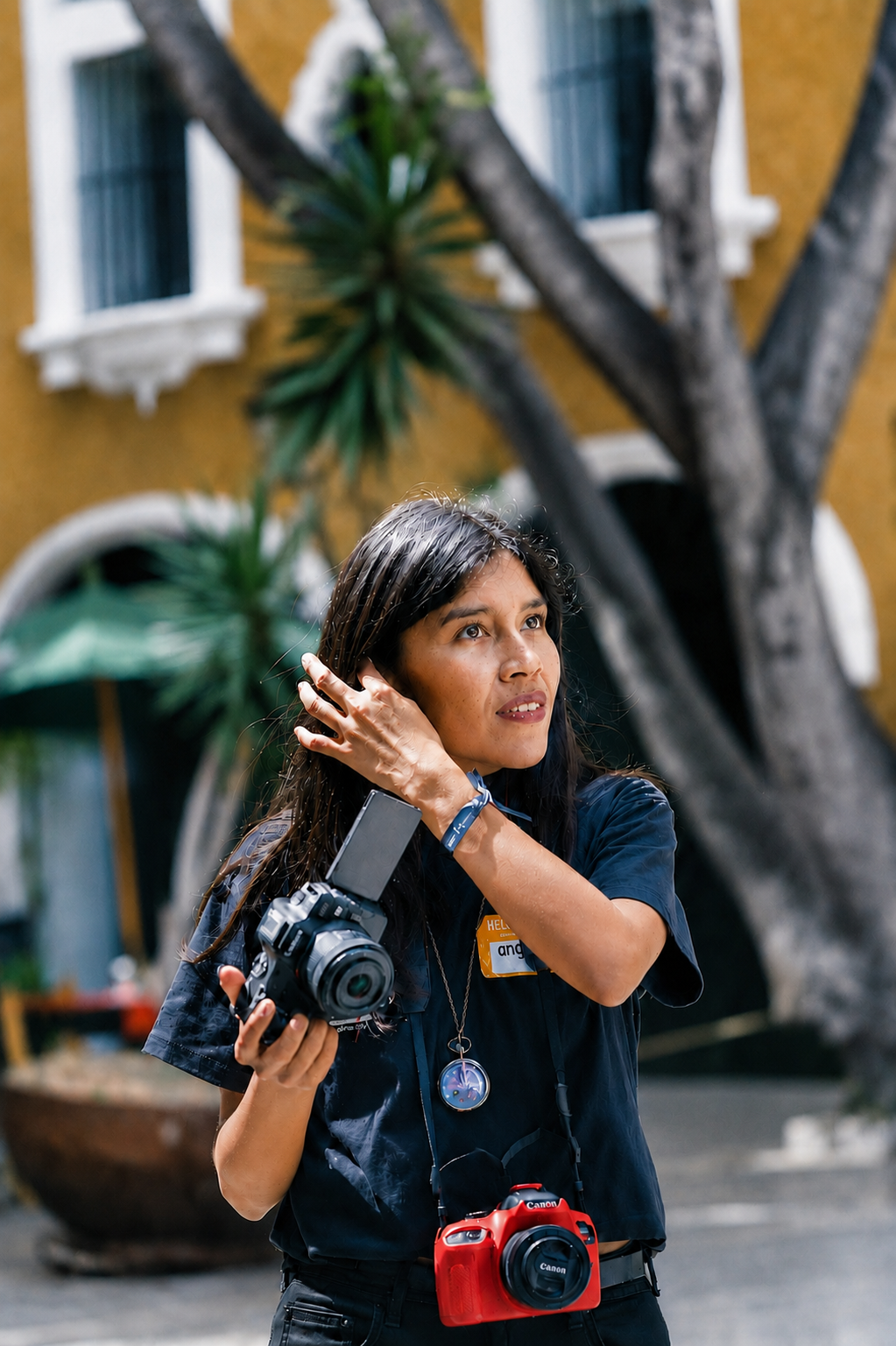
A busy photographer carries multiple cameras while preparing for her next session.
A Quick Cash-Flow Review
If your calendar is full but cash feels tight, check:
Current bank and credit-card balances
Outstanding client invoices and upcoming payments
Retainers tied to future work
Sales tax and income tax currently being held
Bills due in the next 30 days
Average monthly expenses vs. expected winter revenue
Year-to-date revenue and profit
Want a simple way to review these numbers consistently? Follow our 15-Minute Weekly Bookkeeping Routine for Busy Photographers.
Your Calendar Shows the Work. Your Books Show the Business.
A full calendar is exciting — it means clients value your work. But bookings alone can't tell you whether your business has healthy cash flow. That requires knowing what's been collected, spent, owed, reserved, and left over.
A cash flow assessment can help you look ahead and prepare for the shift from fall busy season into slower winter months. And if you'd rather not add bookkeeping to an already full schedule, Tidy Books provides monthly bookkeeping built specifically for photographers — so you know what your business is earning, not just how busy it looks.
Ready to stop wondering where the money went? Schedule a free consultation with Tidy Books and get a cash flow assessment for your photography business.
This article is for general educational purposes and should not be considered individualized tax, legal, or financial advice.
